Best Husky Grooming Tools: All Tools in One Kit for Your Siberian Husky
The best Husky grooming tools for a double coat: undercoat rake, deshedding tool, slicker brush, nail care and a dryer, plus a simple routine.
We may earn a commission when you buy through links on this page, at no extra cost to you. Learn more
On this page
Grooming a Siberian Husky requires more than an ordinary dog brush. Huskies have a thick double coat consisting of a dense insulating undercoat and a protective topcoat. They shed throughout the year and experience particularly heavy shedding during seasonal coat changes, commonly called blowing coat.
The best Husky grooming tools help remove loose undercoat, manage excessive shedding, prevent matting, distribute natural oils, and maintain healthy skin and coat condition. A complete Husky grooming kit should include an undercoat rake, slicker brush, stainless steel comb, deshedding tool, bathing supplies, drying equipment, and nail care tools.
You do not necessarily need every professional grooming accessory to maintain your dog's coat at home. However, choosing the right combination of Husky coat care tools makes regular grooming easier and helps prevent unnecessary damage to the double coat.
This guide reviews eight grooming products and explains which additional Siberian Husky grooming essentials are worth considering.
Quick Comparison: Best Husky Grooming Tools
These eight products cover the main grooming tasks, including undercoat removal, brushing, dematting, nail maintenance, and drying.
-
1
 Best Overall FURminator Undercoat deShedding Tool
-
2
 Best Undercoat Rake Maxpower Planet Original Pet Grooming Rake
-
3
 Best Slicker Brush Swihauk Self-Cleaning Slicker Brush
-
4
 Best Grooming Combo Docrok Pet Grooming Combo
-
5
 Best Nail Grinder Dremel PawControl 7760-PET
-
6
 Best Nail Clippers gonicc Dog Nail Clippers
-
7
 Best Dog Dryer SHELANDY Groomer Partner Pet Dryer
-
8
 Best Dematting Comb Coastal Pet Safari Dog De-Matting Comb
The FURminator Undercoat deShedding Tool is designed to reach through the topcoat and remove loose undercoat hair. This makes it a useful option for owners dealing with the heavy shedding associated with Siberian Huskies.
Huskies have a dense insulating coat that releases substantial amounts of loose fur during seasonal shedding. Regular brushing helps collect this loose hair before it spreads across furniture, carpets, and clothing.
The FURminator uses a stainless-steel deShedding edge to collect loose undercoat. Its design also includes an ergonomic handle and a FURejector button that helps release collected hair from the tool.
Why Consider It for a Siberian Husky?
- Helps remove loose undercoat hair.
- Useful during seasonal shedding.
- Helps manage excessive loose fur around the home.
- Designed for dogs with different coat lengths.
- Makes removing collected hair from the tool easier.
Important Considerations
Use the tool gently and follow the manufacturer's instructions. Do not repeatedly scrape the same area or apply excessive pressure. Huskies have protective guard hairs, so aggressive deshedding can damage the coat and irritate the skin.
Check that you select the correct size and coat-length version for your dog.
Our verdict: A practical choice for Husky owners who need a dedicated deshedding tool, particularly during heavy shedding season.
An undercoat rake is one of the most useful Husky grooming tools because it helps reach loose hair trapped beneath the outer coat.
The Maxpower Planet Original Pet Grooming Rake is a double-sided grooming tool intended for removing loose hair, addressing tangles, and helping maintain thick coats.
Its design makes it relevant to double-coated breeds such as Siberian Huskies, particularly when the undercoat becomes dense during seasonal changes.
Main Benefits
- Double-sided grooming design.
- Helps remove loose undercoat.
- Useful for thick and dense coats.
- Helps work through certain tangles.
- Provides another option for managing seasonal shedding.
How to Use an Undercoat Rake Correctly
Start with a small section of the coat and move the rake gently in the direction of hair growth. Avoid pulling when you encounter resistance.
Pay particular attention to areas where loose hair collects, such as the chest, hindquarters, and areas behind the ears.
A long-tooth undercoat rake can help reach deeper into a thick coat, but the teeth should never be forced against the skin.
Our verdict: A useful grooming supply for Husky owners who need to remove loose undercoat without relying entirely on a conventional brush.
A slicker brush is another useful addition to a complete Husky grooming kit. It helps collect loose surface hair and work through minor tangles during routine grooming.
The Swihauk Self-Cleaning Slicker Brush features fine wire bristles and a cleaning mechanism designed to make removing collected hair easier.
For Siberian Husky owners, this type of brush can complement an undercoat rake. The rake focuses on loose undercoat, while the slicker brush can help with surface grooming.
Features to Consider
- Self-cleaning button mechanism.
- Fine wire bristles.
- Designed to collect loose hair.
- Useful for routine coat maintenance.
- Helps work through minor tangles when used gently.
Is a Slicker Brush Enough for a Husky?
No. A slicker brush should not be the only grooming tool for a Siberian Husky.
The breed's dense undercoat requires tools designed to reach deeper into the coat. A slicker brush can help with surface grooming, but an appropriate undercoat rake and stainless steel comb provide additional coverage.
Avoid pressing the wire bristles hard against the skin because this can cause irritation.
Our verdict: A convenient option for routine brushing, especially when paired with a dedicated undercoat removal tool.
A grooming combo can be useful for dog owners who want more than one grooming function in a single purchase.
The Docrok Pet Grooming Combo combines grooming tools intended to help remove loose hair and work through tangles. This makes it relevant to owners of thick-coated dogs that require regular coat maintenance.
For a Siberian Husky, combination grooming tools can reduce the need to switch between multiple accessories during a grooming session.
Why It May Be Useful
- Combines grooming functions.
- Helps manage loose fur.
- Useful for general coat maintenance.
- Provides additional support for detangling.
- Suitable as part of a broader grooming supplies collection.
Grooming Tips
Start by checking the coat for knots and tangled hair. Work through manageable sections rather than pulling directly through a tight mat.
If a mat is close to the skin or difficult to remove, consult a professional groomer.
Our verdict: Worth considering for owners who want a convenient grooming combination. However, it should complement rather than replace a dedicated undercoat rake.
Grooming a Siberian Husky involves more than maintaining the coat. Nail care is also an important part of a complete dog grooming checklist.
The Dremel PawControl 7760-PET is a cordless pet nail grinder designed to help owners gradually shorten and smooth their dog's nails.
Unlike traditional dog nail clippers, a nail grinder uses an abrasive rotating surface to wear down the nail.
Why Choose a Nail Grinder?
- Helps gradually shorten nails.
- Can smooth rough nail edges.
- Cordless design makes handling easier.
- Useful for routine nail maintenance.
- Offers an alternative to conventional nail clippers.
How to Use It Safely
Introduce the grinder gradually so your dog becomes familiar with its sound and vibration.
Hold the paw securely without squeezing it. Grind small amounts at a time and avoid the quick, which contains blood vessels and nerves.
If your Husky has dark nails and the quick is difficult to identify, take extra care or ask a professional groomer or veterinarian for guidance.
Our verdict: A useful addition for owners who prefer grinding over clipping their Husky's nails.
Some dogs are more comfortable with traditional nail clippers than an electric grinder. The gonicc Dog Nail Clippers provide an alternative for owners who prefer manual nail trimming.
Dog nail clippers are designed to cut through the nail rather than gradually grind it down.
Features to Consider
- Manual trimming mechanism.
- Designed specifically for pet nails.
- Safety guard on applicable models.
- Ergonomic handle design.
- Suitable for routine nail maintenance when correctly sized.
Clippers or Grinder: Which Is Better?
Both options can work. The right choice depends on the dog's temperament, nail thickness, and the owner's experience.
| Nail Clippers | Nail Grinder |
|---|---|
| Cuts nails directly | Gradually wears down nails |
| No motor noise | Produces motor noise |
| Quick trimming when used correctly | Allows gradual shaping |
| Requires careful cutting | Requires careful grinding |
Do not cut too close to the quick. Keep styptic powder available in case of accidental minor bleeding.
Our verdict: A practical manual grooming tool for owners who are comfortable trimming their dog's nails.
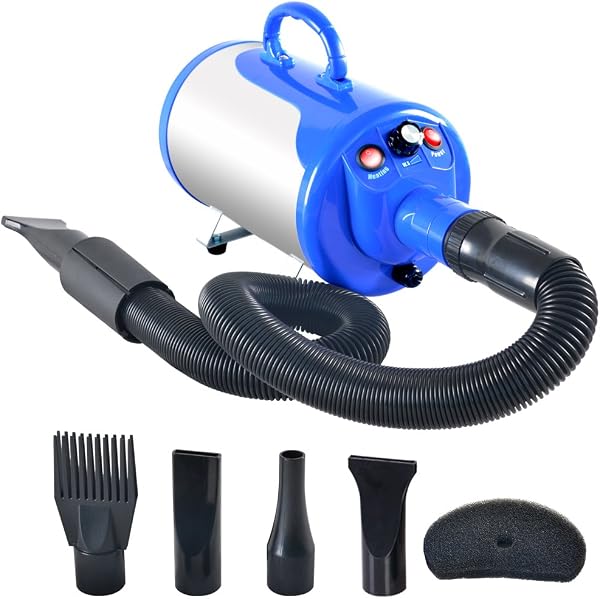
Drying a Siberian Husky after bathing can take considerable time because the breed has a thick insulating coat.
A regular towel may remove water from the outer coat, but moisture can remain trapped deeper in the undercoat.
The SHELANDY Groomer Partner Pet Dryer is a high-velocity pet dryer designed to move air through the coat and help remove moisture.
Why Husky Owners May Need a High-Velocity Dryer
- Helps remove moisture from dense fur.
- Useful after bathing.
- Helps separate and move loose coat hair.
- Can reduce drying time compared with towel drying alone.
- Offers different airflow and heat settings on applicable models.
Proper Husky Drying Technique
First, remove excess water using an absorbent microfiber dog towel.
Start the dryer at a low setting and keep the nozzle moving. Avoid directing concentrated airflow into the eyes, ears, nose, or sensitive areas.
Use a cool or comfortably low-temperature setting. Never use excessive heat on a dog's skin.
Make sure the undercoat dries thoroughly, particularly around the chest, belly, and hindquarters.
Our verdict: A useful investment for owners who bathe their Huskies at home and need equipment suitable for a dense double coat.
A de-matting comb provides another option for dealing with tangled fur. Huskies can develop tangles in areas where friction and loose hair collect, particularly behind the ears and around the hindquarters.
The Coastal Pet Safari Dog De-Matting Comb is designed to help address mats using its specialized grooming teeth.
It is different from a conventional stainless steel dog grooming comb. A regular wide-tooth dog comb is generally used for checking and separating hair, while a de-matting comb is intended for specific tangled areas.
Main Uses
- Helps address certain mats.
- Useful for localized tangles.
- Can complement a slicker brush.
- Provides another option for thick-coated dogs.
- Helps maintain areas prone to tangling.
How to Use It
Work slowly and only on small, manageable tangles. Do not pull or force the comb through a tight mat.
If the mat is severe, close to the skin, or painful for the dog, professional grooming is the safer option.
Our verdict: A useful specialized grooming accessory, but it should not replace regular brushing or an appropriate undercoat rake.
What Should a Complete Husky Grooming Kit Include?
The eight products above cover several important grooming functions. However, a complete all-in-one dog grooming kit for Huskies can include additional accessories depending on your dog's coat condition and grooming routine.
1. Brushing and Deshedding Tools
These are the main Siberian Husky grooming essentials:
- Undercoat rake for removing loose undercoat.
- Double-row undercoat rake for dense coats.
- Wide-tooth dog comb for checking tangles.
- Fine-tooth grooming comb for smaller areas.
- Slicker brush for routine surface grooming.
- Pin brush for gentle coat maintenance.
- Rubber curry brush for collecting loose surface hair.
- Silicone grooming brush for gentle brushing.
- Grooming gloves for Huskies to collect loose fur.
Some popular products owners may also research include the Chris Christensen Big G Slicker Brush, Hertzko Self-Cleaning Slicker Brush, DakPets Deshedding Tool, SleekEZ Deshedding Grooming Tool, and KONG ZoomGroom.
These are additional product options, not replacements that every Husky owner needs to purchase.
2. Husky Bathing Tools
Bathing supplies can make home grooming more manageable.
Consider adding:
- Dog shampoo for double coats.
- Deshedding dog shampoo.
- Moisturizing dog shampoo.
- Hypoallergenic dog shampoo when appropriate.
- Siberian Husky conditioner.
- Dog conditioner for thick coats.
- Dog bathing brush.
- Pet shower sprayer.
- Dog grooming bath mitt.
- Microfiber dog towel.
- Absorbent pet bath towel.
Choose shampoos formulated for dogs. Avoid human shampoo because its formulation may not be appropriate for canine skin.
Bathing frequency depends on the dog's coat condition, lifestyle, and individual needs. Huskies generally do not need frequent baths if their coat remains clean and healthy.
3. Professional Dog Drying Equipment
Owners who regularly bathe their dogs may consider professional dog blow dryers.
Other products worth researching include:
- Flying Pig High Velocity Dog Dryer.
- K-9 III Dog Grooming Dryer.
- Professional dog hair dryer for double coats.
- High-velocity dog dryer with adjustable airflow.
- Dog drying tools for Huskies.
Choose a dryer with controllable airflow and suitable temperature settings. High velocity does not mean the dog needs maximum airflow or heat.
4. Nail, Ear, Eye, and Dental Care
Siberian Husky hygiene also includes regular attention to nails, ears, eyes, teeth, and paws.
Useful supplies include:
- Professional dog nail trimmers.
- Dog nail grinder.
- Dog nail file.
- Styptic powder.
- Dog ear cleaning solution.
- Dog ear wipes.
- Cotton grooming pads.
- Dog eye wipes.
- Tear stain remover when needed.
- Dog toothbrush.
- Dog toothpaste.
- Dog dental care kit.
- Dog paw cleaner.
- Paw cleaning cup.
- Dog paw balm.
Vet note: Use only products designed for dogs, and consult a veterinarian if you notice persistent ear odor, discharge, eye irritation, or dental problems.
5. Grooming Scissors and Clippers
Scissors and clippers can be useful for limited grooming tasks, such as trimming excess hair around the paws.
Relevant accessories include:
- Paw trimming scissors.
- Rounded-tip grooming scissors.
- Thinning shears for dogs.
- Straight grooming scissors.
- Curved grooming scissors.
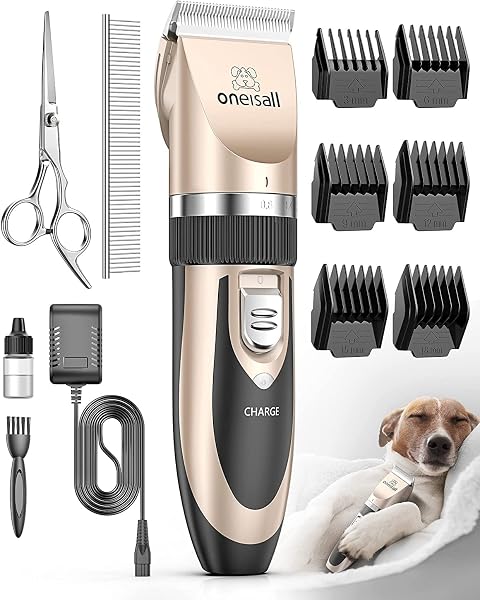
- Cordless dog clippers.
- Detachable clipper blades.
- Grooming clipper comb attachments.
Professional equipment options include Andis AGC2 clippers, Wahl KM10 clippers, Oster A5 Turbo clippers, and Heiniger Opal clippers.
Warning: Do not shave a Siberian Husky's double coat for routine grooming. Its undercoat and topcoat provide insulation and protection. Removing these layers can interfere with normal coat function and expose the skin to environmental damage.
Clippers should only be used for appropriate limited purposes, preferably with professional guidance.
6. Grooming Furniture and Maintenance Accessories
For owners who want a more organized home grooming setup, additional accessories may include:
- Grooming table for large dogs.
- Nonslip grooming table.
- Adjustable grooming arm.
- Dog grooming restraint loop.
- Grooming hammock for suitable small grooming tasks.
- Dog grooming apron.
- Dog grooming vacuum.
- Pet grooming vacuum kit.
- Vacuum deshedding brush.
- Lint roller for dog hair.
- Reusable pet hair remover.
- Furniture pet hair remover.
- Dog grooming storage organizer.
- Grooming tool cleaning brush.
- Clipper blade oil.
- Clipper cooling spray.
A grooming table should be sturdy and appropriate for the dog's weight. Never leave a dog unattended while attached to a grooming restraint.
How to Groom a Siberian Husky at Home
A consistent Husky grooming routine is more useful than trying to remove all loose hair in one long session.
Step 1: Check the Coat Before Brushing
Inspect the topcoat and undercoat for tangles, debris, skin irritation, and areas of loose hair.
Pay particular attention to the chest, belly, hindquarters, tail, and areas behind the ears.
Step 2: Use an Appropriate Undercoat Tool
Use an undercoat rake or suitable deshedding brush to remove loose undercoat.
Work in small sections and follow the direction of hair growth. Avoid aggressive pulling or repeatedly scraping the same area.
Step 3: Brush the Surface Coat
Use a slicker brush to collect loose surface hair and work through manageable tangles.
Keep the pressure light, especially around sensitive areas.
Step 4: Check with a Grooming Comb
A stainless steel dog grooming comb can help identify remaining tangles.
A wide-tooth comb is useful for checking thicker areas, while a fine-tooth comb can help inspect smaller sections.
Step 5: Bathe When Necessary
Use a suitable dog shampoo and conditioner.
Rinse thoroughly to prevent shampoo residue from remaining in the coat.
Step 6: Dry the Coat Completely
Remove excess water with a microfiber towel and use an appropriate high-velocity dog dryer carefully.
Make sure the dense undercoat dries completely before finishing the grooming session.
Step 7: Finish with Nail and Hygiene Care
Check the nails, ears, eyes, teeth, and paws.
Trim nails when necessary and clean the ears only with appropriate products and techniques.
How Often Should You Groom a Siberian Husky?
The ideal grooming schedule depends on coat condition, age, activity, and seasonal shedding.
| Grooming task | Suggested frequency |
|---|---|
| General brushing | Several times weekly |
| Brushing during heavy shedding | Daily or as needed |
| Undercoat removal | As needed, with gentle sessions |
| Bathing | When the coat becomes dirty or develops odor |
| Nail inspection | Weekly |
| Nail trimming | When needed |
| Ear inspection | Weekly |
| Dental care | Ideally daily |
Daily Husky brushing during heavy shedding season can help manage loose fur. However, excessive brushing with harsh tools can irritate the skin.
What Is the Best Brush for a Husky's Undercoat?
An appropriately sized undercoat rake is a useful starting point for removing loose hair trapped beneath a Husky's topcoat.
A slicker brush can complement it by collecting loose surface hair. A stainless steel comb can then help check for remaining tangles.
No single brush replaces every grooming function.
Can You Shave a Siberian Husky?
No, shaving a Siberian Husky is generally not recommended for routine grooming.
The breed has a natural double coat consisting of a protective outer layer and a dense insulating undercoat. These layers help regulate temperature and protect the skin.
Shaving can interfere with the coat's natural protective function. If your dog has severe matting, a skin condition, or another medical reason for clipping, consult a veterinarian or professional groomer.
How Do You Manage Husky Shedding During Blowing Coat?
Blowing coat refers to a major seasonal shedding period when a Husky releases substantial amounts of undercoat.
During this period:
- Increase gentle brushing sessions.
- Use an appropriate undercoat rake.
- Collect loose hair with a suitable slicker brush.
- Check behind the ears and around the hindquarters.
- Bathe only when necessary.
- Dry the coat thoroughly after bathing.
- Avoid aggressive deshedding or shaving.
Shedding cannot be eliminated completely. The goal is to remove loose hair while protecting healthy coat growth.
Related guides: How to Get Burrs Out of Dog Hair · Best Brush for German Shorthaired Pointer
Trusted sources: Siberian Husky Breed Information (AKC) · Dog Grooming Tips (ASPCA)
Frequently asked questions
1. What grooming tools do Husky owners need?
The main grooming tools include an undercoat rake, deshedding brush, slicker brush, stainless steel comb, nail clippers or grinder, dog shampoo, microfiber towel, and suitable dog dryer.
2. What is the best deshedding tool for Siberian Huskies?
A suitable undercoat rake or dedicated deshedding tool can help remove loose undercoat. The FURminator Undercoat deShedding Tool and Maxpower Planet Grooming Rake are two options in this guide.
3. How often should you brush a Siberian Husky?
Brush several times weekly under normal conditions. During heavy seasonal shedding, more frequent brushing may be necessary.
4. Do Huskies need professional grooming?
Not necessarily. Many healthy Siberian Huskies can be maintained at home with appropriate grooming supplies. Professional grooming may help with difficult mats, coat problems, or owners who need assistance with bathing and drying.
5. How often should you bathe a Husky?
Huskies generally do not require frequent bathing. Bathe when necessary based on dirt, odor, and coat condition, using dog-specific shampoo.
6. What is the best grooming kit for Husky puppies?
A puppy grooming kit should start with a gentle brush, a suitable comb, dog-specific shampoo, a soft towel, and appropriate nail-care equipment. Introduce grooming gradually so the puppy becomes comfortable with handling.
7. How can you prevent matting behind Husky ears?
Check behind the ears regularly and gently remove small tangles using an appropriate comb or brush. Never pull through tight mats.
8. Can a regular dog brush remove a Husky's undercoat?
A regular brush may collect some loose hair, but it may not reach all the loose undercoat. An appropriate undercoat rake can provide additional support.
9. Is a high-velocity dryer necessary for Huskies?
It is not essential for every owner, but it can make drying a dense double coat easier. Use controlled airflow and a comfortable temperature.
10. Should you use clippers on a Siberian Husky?
Routine shaving or clipping of the double coat is not recommended. Limited trimming for specific hygiene or medical reasons should be discussed with a professional groomer or veterinarian.
Final Verdict: Which Husky Grooming Tools Are Worth Buying?
Building a complete Husky grooming kit does not mean purchasing every available pet grooming accessory. Focus on tools that address the breed's main grooming requirements: loose undercoat removal, regular brushing, detangling, nail maintenance, and thorough drying.
The eight reviewed products offer different functions:
- FURminator: Dedicated deshedding.
- Maxpower Planet: Undercoat grooming.
- Swihauk: Routine brushing.
- Docrok: Combination grooming.
- Dremel PawControl: Nail grinding.
- gonicc: Manual nail trimming.
- SHELANDY: Drying a thick coat.
- Coastal Pet Safari: Specialized dematting.
For most Husky owners, the best starting combination is an undercoat rake, slicker brush, stainless steel comb, nail-care tool, and suitable bathing and drying supplies.
Choose each tool according to your dog's coat condition, grooming tolerance, and individual needs. A gentle, consistent grooming routine helps maintain the Siberian Husky's natural double coat without unnecessary damage.